Finnish sauna vs infrared sauna — the facts at a glance

Finnish sauna vs infrared sauna — everything you need to know
Both are saunas, both are warm — but that is where the similarity ends. We explain exactly where the difference between a Finnish sauna and an infrared sauna lies.
In this article we set out the difference between a Finnish sauna and an infrared sauna clearly — from temperature to cost, from heat transfer to health effects. Plus an affordable alternative that many people don't know about.
What is the difference between a Finnish sauna and an infrared sauna?
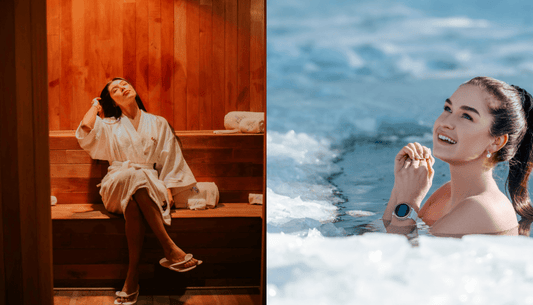
The biggest difference lies in how the heat reaches your body. A Finnish sauna first heats the air in the room, and that hot air then warms your body. An infrared sauna skips that intermediate step: infrared waves penetrate your skin directly and warm your body from the inside out.
That one difference explains almost all the other differences we discuss below — from temperature to heat-up time and power consumption.

Finnish sauna versus infrared sauna — the facts at a glance
How does the heat work in each sauna?
In the Finnish steam sauna a stove with sauna stones is used to heat the entire cabin. Pouring water over the stones creates steam (known as a 'löyly' or infusion), which briefly raises the humidity. The temperature can climb above 90 degrees.
In the infrared sauna there are infrared lamps or panels that emit waves. These waves are absorbed by the skin and converted into heat there. The air in the cabin barely gets warmer — it is your body that heats up, not the room.

In a Finnish sauna you feel the hot air; in an infrared sauna you feel the radiation on your skin
The 7 key differences
A Finnish sauna operates at temperatures of 80 to 100 degrees. An infrared sauna stays much milder: 35 to 75 degrees. If you struggle with extreme heat, infrared is often easier to tolerate.
An infrared sauna is up to temperature within 10 to 15 minutes. A Finnish sauna needs 30 to 60 minutes to heat the whole cabin — a considerable difference in preparation time.
The Finnish sauna is known for its dry, hot air, which becomes temporarily more humid during infusions. Infrared saunas stay dry and mild. For people who don't cope well with humid heat or have respiratory complaints, infrared is often more comfortable.
Infrared heat penetrates into the skin and the tissue directly beneath it. This boosts local circulation, which can help with muscle pain, stiff joints and chronic complaints such as rheumatism. The warm air of a Finnish sauna also relaxes the muscles, but works mainly through contact with the skin.
A Finnish sauna easily uses 6,000 watts or more — a powerful stove that has to heat an entire room. An infrared cabin typically uses between 1,500 and 2,500 watts. An infrared sauna blanket goes much further and uses only 650W: less than a kettle.
An installed sauna at home — Finnish or infrared cabin — often starts at around €2,000 and can rise to €10,000 or more. An infrared sauna blanket offers the same infrared technology for a fraction of that price, and you don't need a separate room for it.
Both cabins need a permanent place in your home. A Finnish sauna also needs ventilation and often a heavier electrical supply. A sauna blanket can be stored in a cupboard and used on the sofa, on the bed or on the floor — wherever you like.
Short-wave versus long-wave infrared — what is the difference?
Not every infrared sauna works the same way. Infrared radiation is divided into three wavelengths: IR-A (short), IR-B (medium) and IR-C (long). The shorter the wavelength, the deeper the radiation penetrates the skin.
IR-A — short wave
Short-wave infrared (IR-A) penetrates the deepest, up to a few millimetres into the skin. It warms the skin itself less and the tissue underneath more. It is often used for targeted therapeutic applications for muscle and joint complaints.
IR-B and IR-C — medium and long wave
Medium and long-wave infrared are largely absorbed by the skin itself. This feels like a pleasant, enveloping warmth and is suitable for general relaxation and sweating. Most infrared sauna blankets and home cabins use a combination of IR-B and IR-C.
Which sauna is healthier?
Both saunas have health benefits — improved circulation, relaxation, better sleep and stress reduction. Which one is 'healthier' depends on what you are looking for.
For muscle complaints and sports recovery
Here infrared has the edge. The heat acts directly on the muscles and boosts local circulation. Many athletes use infrared to recover after intensive training sessions.
For chronic pain
For rheumatism, osteoarthritis and fibromyalgia, many people choose infrared because of the milder temperature and its circulation-boosting effect. With chronic complaints, always consult your doctor or therapist first.
For relaxation and immunity
The Finnish sauna has traditionally been about relaxation, strengthening the immune system and the sauna ritual with infusions. The higher temperatures make for a more intense experience.
Good to know: there are many claims online about how many 'toxins' or waste products you excrete through sweat. Sweat consists mainly of water; some sources suggest that infrared sweat contains relatively more minerals and traces of waste products, but the scientific basis for this is limited. So take 'detoxing via the sauna' with a healthy dose of nuance.
How long, and what to do after a session?
Another practical difference between a Finnish sauna and an infrared sauna lies in the session length and what you should ideally do afterwards.
Session length
In a Finnish sauna you usually stay for 10 to 15 minutes — any longer quickly becomes too intense due to the high temperatures. In an infrared sauna you can easily manage 20 to 30 minutes, because the milder heat is easier to tolerate.
After a Finnish sauna
After a Finnish sauna, a cold shower or plunge pool is a traditional part of the ritual. It closes the pores, stimulates circulation and gives a refreshing feeling. Then rest briefly and drink water.
After an infrared sauna
After an infrared sauna, a lukewarm or warm shower is better than a cold one. A cold shower would cool the warmed-up muscles too quickly. Drink plenty of water and give your body at least 15 minutes' rest before becoming active again.
Sauna blanket — the third alternative
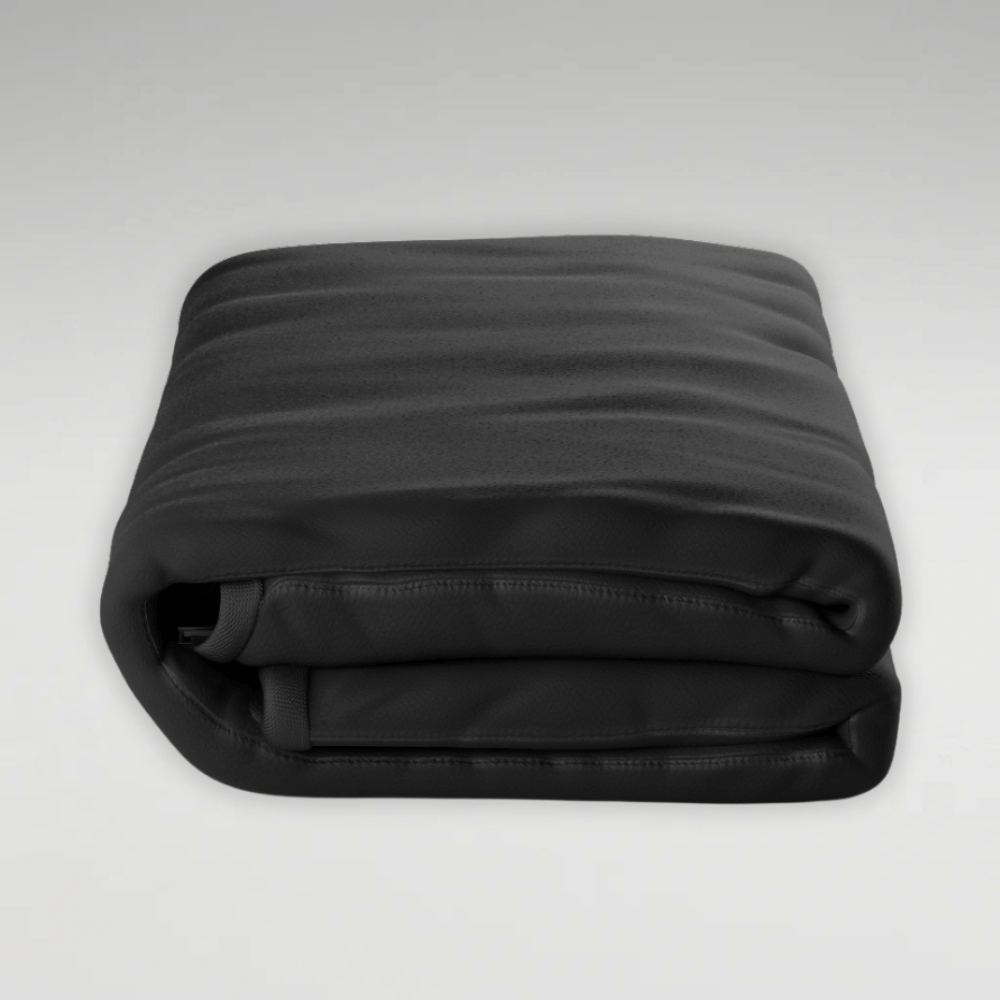
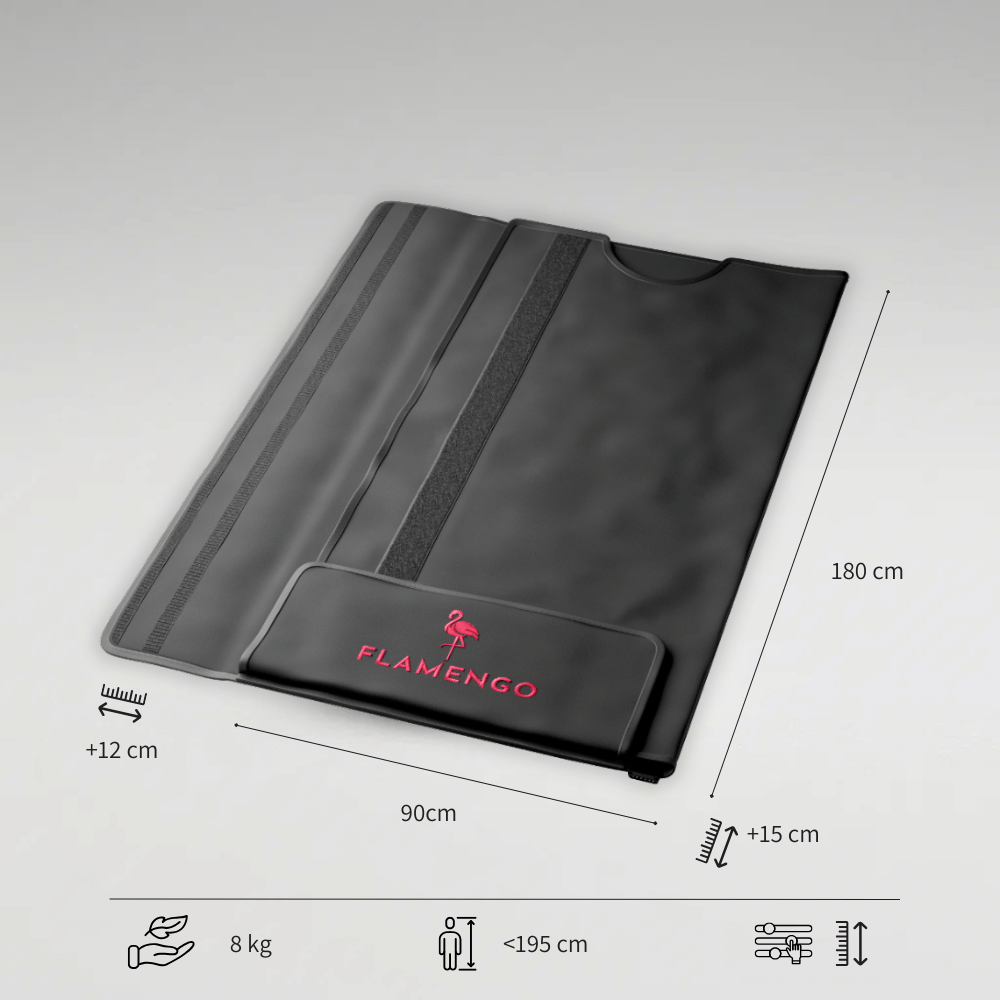
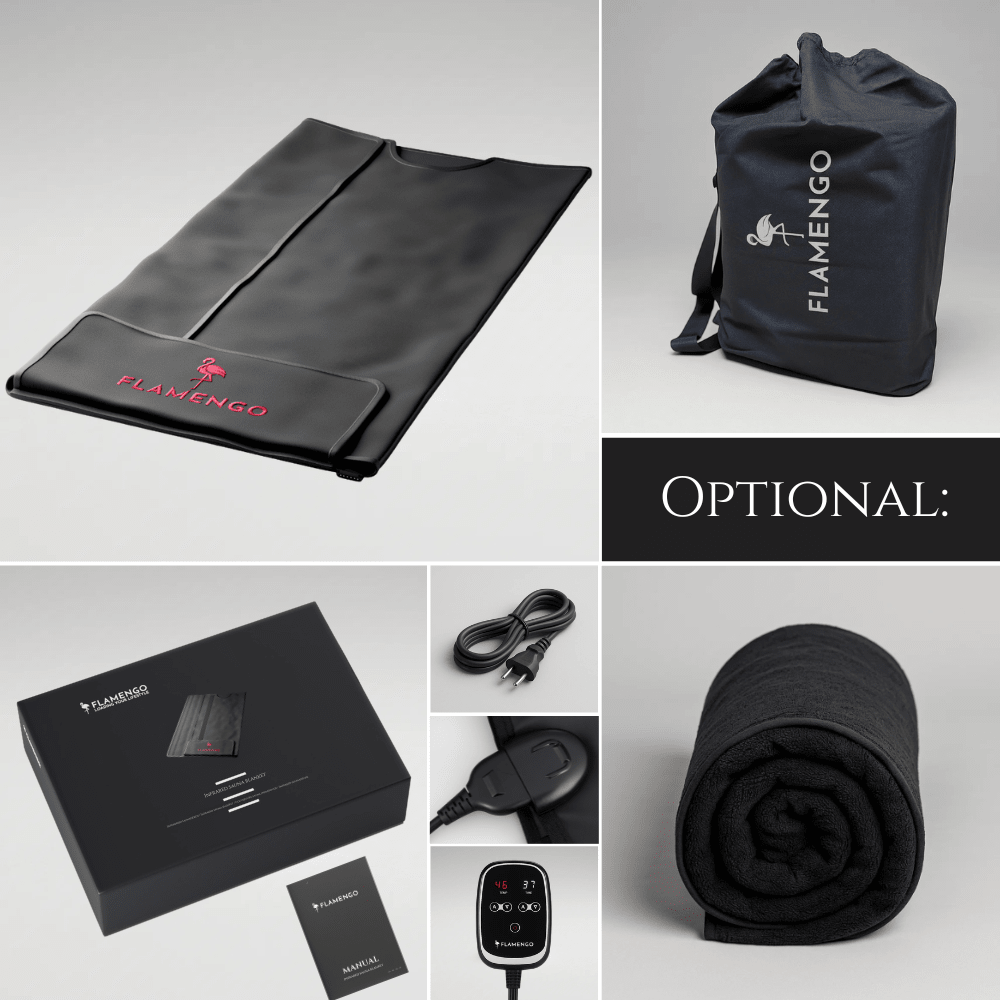
What many people don't know: you don't have to choose between a Finnish sauna and an infrared cabin. An infrared sauna blanket offers the same technology as an infrared cabin, but rolled up in a blanket you can take anywhere.
| Aspect | Finnish sauna | Infrared cabin | Sauna blanket |
|---|---|---|---|
| Purchase price | ✗ €2,000+ | ✗ €2,000+ | ✓ From €449 |
| Power | ✗ 6,000W+ | ✗ 1,500–2,500W | ✓ 650W |
| Space | ✗ Separate room | ✗ Separate room | ✓ Fits in a cupboard |
| Heat-up time | ✗ 30–60 min | ✓ 10–15 min | ✓ Ready immediately |
| Lying down | ✓ On the sofa | ✗ Seated | ✓ Lying down |
| Portable | ✗ Fixed | ✗ Fixed | ✓ Anywhere |
The sauna blanket uses the same infrared technology as a cabin and offers the same benefits — without the installation, the space and the cost.
Which sauna suits you?
Choose a Finnish sauna if:
You love hot air, infusions and the traditional sauna ritual. You have the space and budget for a complete cabin, and you enjoy 80–100 degrees.
Choose an infrared cabin if:
You want milder temperatures, a faster heat-up time and targeted warmth for muscle or joint complaints. You have room for a fixed cabin but no need for extreme heat.
Choose a sauna blanket if:
You want the benefits of infrared without the price, space and installation. You prefer to use it lying down on the sofa or in bed, and want to be able to store it or take it with you easily.
Frequently asked questions
A Finnish sauna first heats the air in the cabin with a stove; that hot air then warms your body. An infrared sauna uses infrared waves that act directly on the skin. As a result, an infrared sauna has a milder temperature, heats up faster and uses less electricity.
For muscle and joint complaints, many people choose infrared. The heat penetrates into the skin and the tissue directly beneath it, which stimulates circulation in a targeted way. A Finnish sauna also relaxes the muscles, but works mainly through skin contact with hot air.
Not necessarily better — different. Infrared is milder, faster and more economical; a Finnish sauna offers the traditional sauna ritual with infusions and high temperatures. Which suits you depends on what you are looking for: relaxation and ritual, or targeted therapeutic heat.
A Finnish sauna easily uses 6,000 watts or more. An infrared cabin uses between 1,500 and 2,500 watts. An infrared sauna blanket uses only 650 watts — a fraction of a traditional sauna. With regular use, that makes a considerable difference to your electricity bill.
Yes, in terms of technology and effect. An infrared sauna blanket uses the same infrared technology as an infrared cabin: the same waves, the same benefits for circulation, relaxation and muscle recovery. The difference lies in size, price and ease of use.
Both are healthy when used correctly. Steam (Finnish sauna) is pleasant for the airways and gives a traditional sauna feeling. Infrared is milder and provides targeted therapeutic heat for muscles and joints. For people who don't tolerate humid heat well, infrared is often more pleasant.
For rheumatism, osteoarthritis and fibromyalgia, many people choose infrared. The milder temperature is easier to tolerate and the radiant heat stimulates circulation in a targeted way. Important: do not use a sauna during acute inflammation, and if in doubt consult your rheumatologist or physiotherapist.
Thanks to the milder temperature, you can comfortably stay in an infrared sauna for 20 to 30 minutes. That is longer than in a Finnish sauna, where 10 to 15 minutes is usual. Beginners keep it to 15 to 20 minutes and build up gradually.
Conclusion
The difference between a Finnish sauna and an infrared sauna is not about 'better or worse', but about what you are looking for. The Finnish sauna stands for ritual and hot air; infrared for mild, targeted heat that acts directly on the skin. And if you want the benefits of infrared without the purchase and space of a cabin, a sauna blanket is an attractive alternative — with the same technology, at a fraction of the size.