

The science behind recovery at the 4Daagse
Walking 30 to 50 kilometres four days in a row takes more than endurance alone. The body has to deal with repeated muscle damage, fluid retention and fatigue, while recovery time between walking days is limited. Scientific research shows that targeted recovery helps the body cope better with this load, especially when recovery is already part of your preparation.
Recovery as part of your preparation
Recovery isn't a solution that only starts during the 4Daagse. The body adapts when it is regularly exposed to recovery stimuli, just as it adapts to walking training. By applying recovery during the period when you are putting lots of kilometres in your legs, you increase your capacity to recover and your resilience.
Research published in Sports Medicine describes how recovery interventions, such as heat and cold therapy, not only have an acute effect but also contribute to better tolerance of repeated loading when applied consistently.
Source: https://link.springer.com/article/10.1007/s40279-025-02300-8
In practice during your preparation:
After longer walks or periods with several walking days in a row, recovery helps keep your muscles supple, relax faster and be better prepared for the next effort.
Heat therapy: relaxation and blood flow
Heat therapy increases blood flow by dilating the blood vessels and supports muscle relaxation. This helps the body remove waste products and deliver oxygen and nutrients to muscle tissue.
Physiotherapy literature describes these effects of heat in detail:
https://sportaccentfysiotherapie.nl/waarom-koude-en-warmte-verschillende-effecten-hebben-op-je-herstel/
Application for walkers:
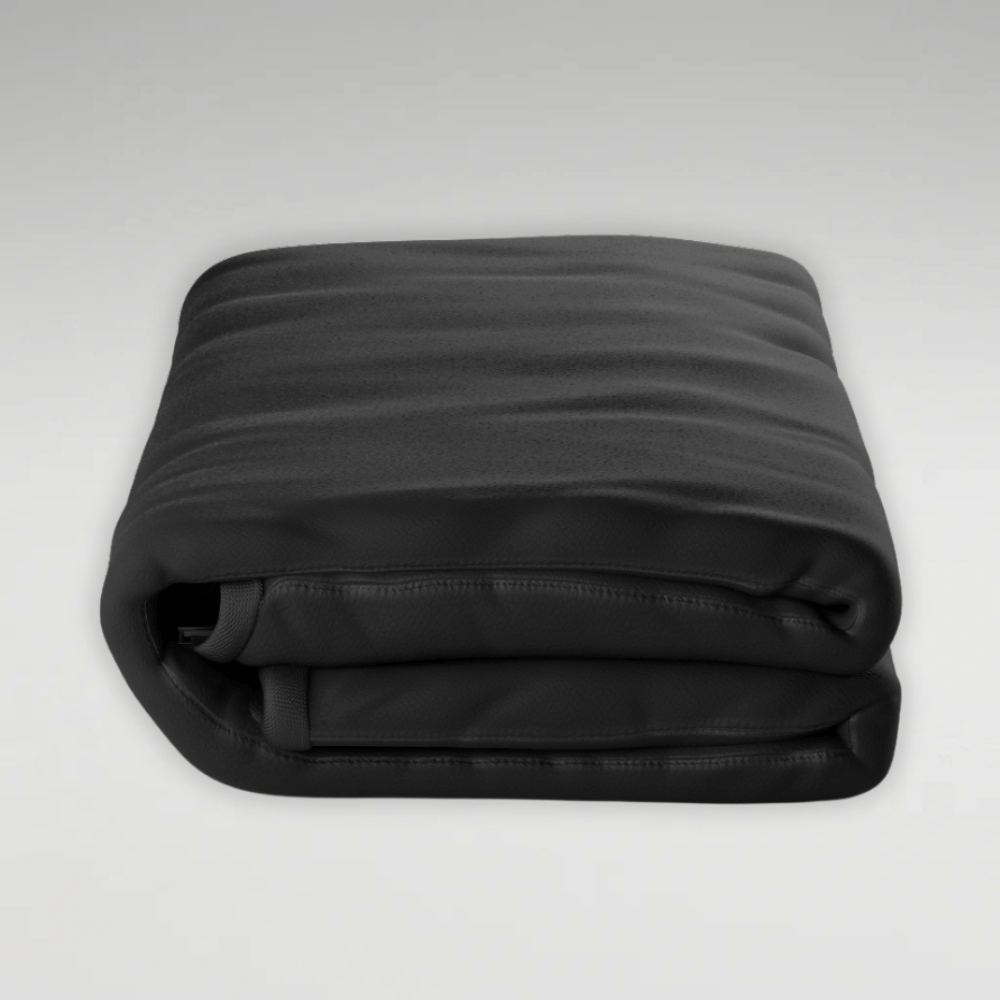
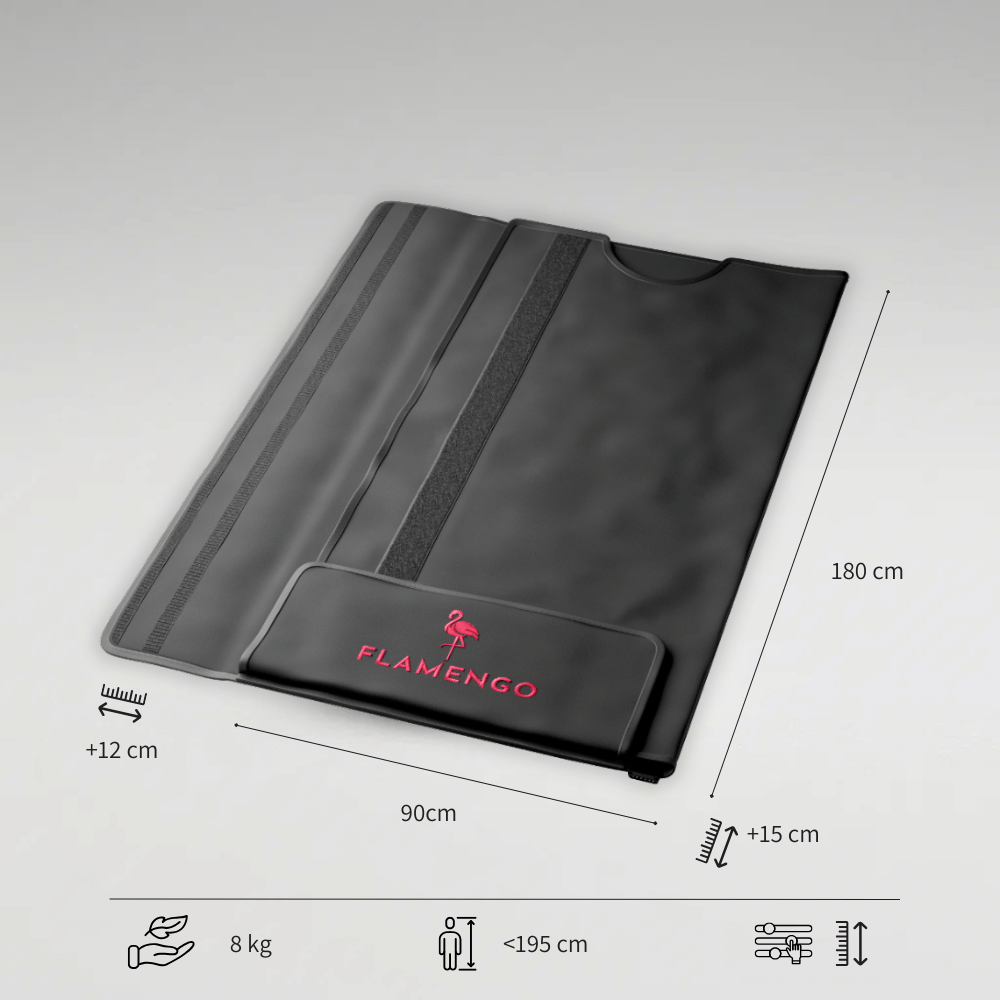
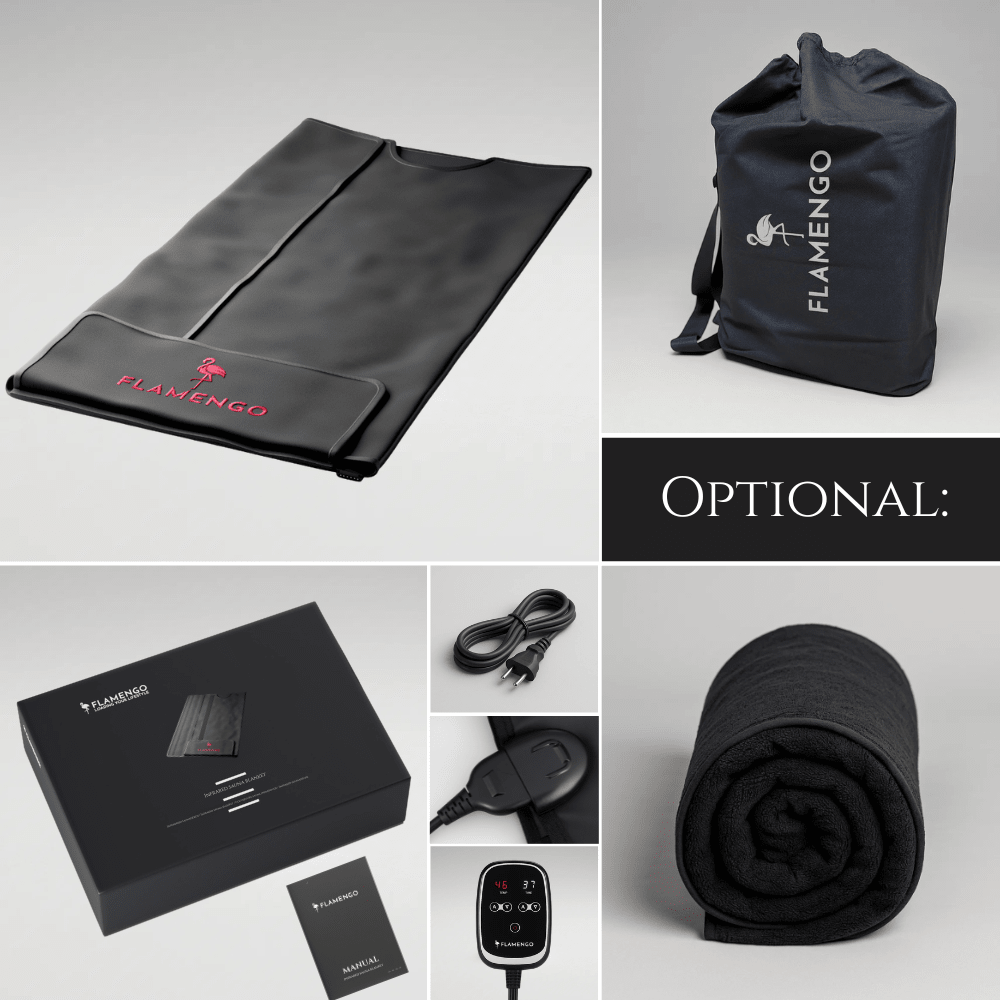
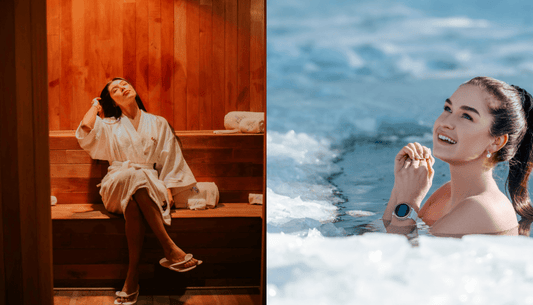
Heat, for example from a sauna or sauna blanket, is well suited to days when you've walked a lot. It supports relaxation, reduces stiffness and contributes to a better night's sleep.

Compression therapy: support for heavy legs
Compression therapy is widely used by endurance athletes and during prolonged exertion. A systematic review on PubMed describes how compression can help reduce the feeling of muscle fatigue and heavy legs.
Source: https://pubmed.ncbi.nlm.nih.gov/34770213/
In practice at the 4Daagse:
Compression therapy can be used after walking days or in the evening to support blood flow and promote recovery between consecutive days.

Myofascial stimulation: keeping muscles supple
Massage and myofascial techniques, such as massage guns and massage mats, are widely used to reduce muscle tension and maintain freedom of movement. A review in the International Journal of Environmental Research and Public Health shows that these techniques mainly contribute to the subjective feeling of recovery and to reducing stiffness.
Source: https://www.mdpi.com/1660-4601/18/21/11698
For the 4Daagse:
Regular myofascial stimulation helps keep muscles supple during periods when your walking load increases, and makes the body more resilient to consecutive walking days.

Cold therapy: supporting recovery between walking days
Cold-water immersion (ice baths) is widely studied in sports science. A meta-analysis on PubMed shows that cold therapy can be effective in reducing muscle soreness after intense exertion.
Source: https://pubmed.ncbi.nlm.nih.gov/36527593/
An additional review in Sports Medicine – Open emphasises that cold therapy is particularly effective at reducing pain and stiffness, which matters during multi-day exertion.
Source: https://sportsmedicine-open.springeropen.com/articles/10.1186/s40798-024-00724-6
For walkers:
Cold therapy can help improve how recovered you feel after days with many kilometres, so you start the next day more comfortably.

What does this mean for your 4Daagse?
Scientific research supports the idea that recovery is most effective when it is applied consistently and purposefully — from your preparation onwards and then during the event itself.
By making recovery part of your walking routine:
- you increase your capacity to recover
- you reduce the risk of mounting complaints
- you support your body through consecutive walking days
Anyone who wants to finish the 4Daagse trains not only for the kilometres, but also for recovery.
Flamengo helps walkers apply this recovery smartly, practically and on a sound evidence base.




2 comments
Ik douche mijn benen altijd koud af en daarna lekker warm houden met lange broek en hoog leggen
Voor mij is niet duidelijk wanneer juist warmte- of koudetherapie goed is. Of doe je beide na elke wandeling?